When the world of insurance paperwork feels like a labyrinth, the prospect of filing a claim for an adult autism assessment can seem even more daunting. Yet, with the right roadmap, you can navigate the twists and turns, secure the documentation you need, and ultimately get the support you deserve. In this guide we’ll break down the insurance claim process into clear, actionable steps, sprinkle in a touch of humor, and keep the focus on what matters most: getting the assessment that unlocks access to services and accommodations.
Why an Adult Autism Assessment Matters
An adult autism assessment is more than a diagnostic label; it’s a key that opens doors to tailored support, workplace adjustments, and financial assistance. Without a formal assessment, insurance providers often hesitate to cover related services. The assessment also provides a baseline for future planning, helping you and your healthcare team chart a course that aligns with your strengths and challenges.

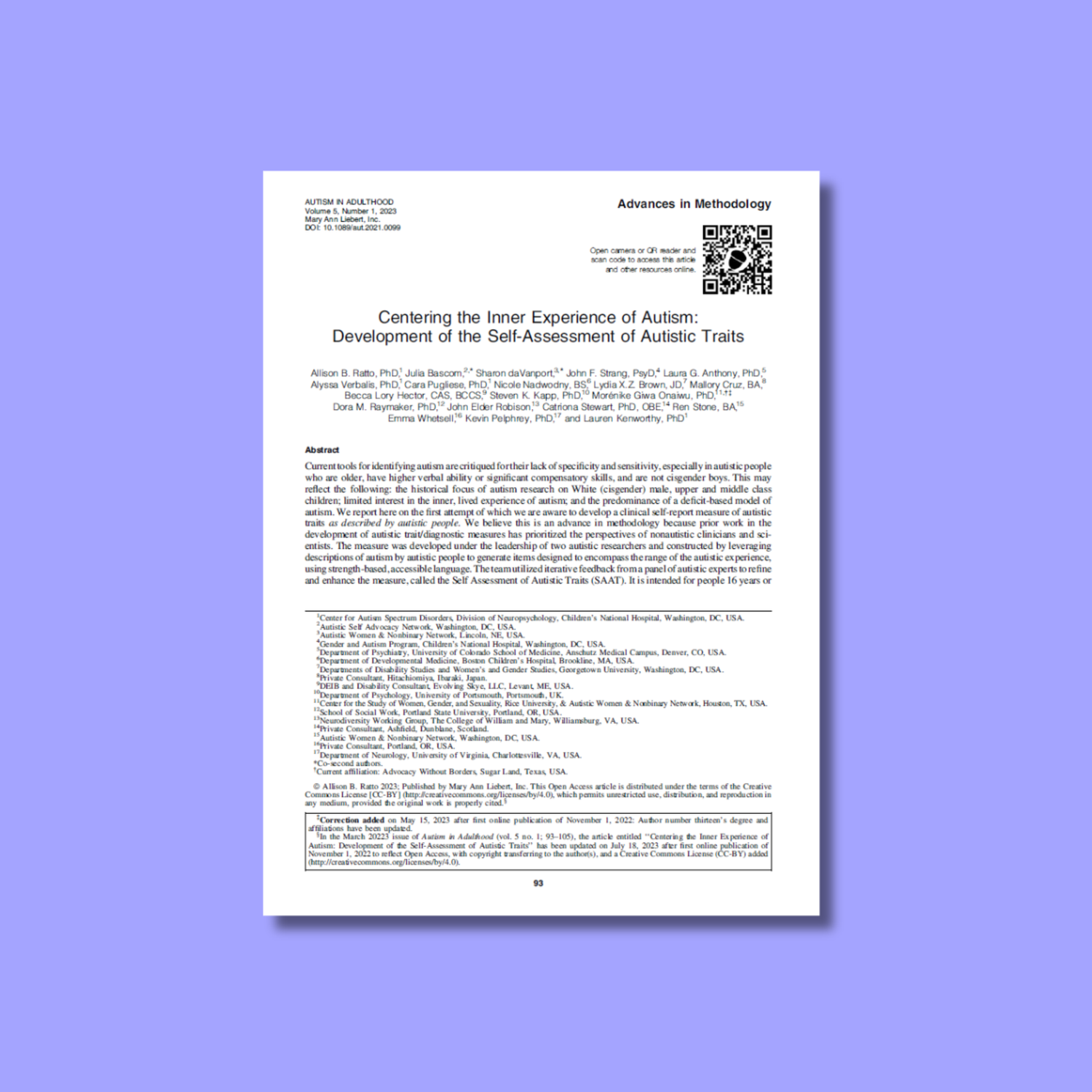
*Have you ever wondered why some people seem to get it right the first time while others need a second look?* The answer often lies in a comprehensive assessment that digs beneath surface behaviors.
The Assessment Process: From Initial Inquiry to Final Report
Selecting the Right Professional
| Criteria | What what are the 3 main causes of autism to Look For |
|----------|------------------|
| Credentials | Licensed psychologist, psychiatrist, or clinical neuropsychologist |
| Experience | Minimum 3–5 years working with adults on the autism spectrum |
| Approach | Multidisciplinary, evidence‑based methods |
| Availability | Flexible scheduling and telehealth options |
Choosing a professional who understands the nuances of adult ASD is the first step toward a successful assessment. Think of it like picking a seasoned guide for a mountain climb—you want someone who knows the terrain and can anticipate obstacles.
Key Components of the Assessment
Clinical Interview – Discuss developmental history, current challenges, and personal strengths. Standardized Testing – Tools such as the ADOS‑2 or the Autism Diagnostic Observation Schedule help quantify symptoms. Collateral Information – Input from family, partners, or close friends can provide valuable context. Functional Analysis – Examining daily routines, social interactions, and sensory sensitivities. > “The best way to predict the future is to create it.” – Peter Drucker> This quote reminds us that a thorough assessment equips us to design a future that fits our unique needs.
Timing Matters
- Early in the Process – Begin the assessment as soon as you suspect ASD to avoid unnecessary delays. Follow‑up – Some clinicians recommend a second visit to confirm findings and refine recommendations.
Documenting the Assessment for Insurance
Once the assessment is complete, the clinician will provide a comprehensive report. This document is the linchpin of your insurance claim. Ensure it includes:
- Diagnosis – Clear statement of ASD, including severity level if applicable. Functional Impact – Description of how ASD affects daily living, work, and social interactions. Recommended Services – List of suggested therapies, accommodations, or support programs. Prognosis – Expectations for improvement and potential long‑term needs.
Tips for a Strong Claim
- Use plain language where possible; insurance reviewers may not be familiar with clinical jargon. Highlight key points with bullet lists for easy scanning. Attach supporting materials such as prior medical records or academic reports.
Filing the Claim: Step‑by‑Step
1. Verify Coverage
- Check your policy’s “Mental Health and Developmental Disabilities” section. Confirm that adult autism assessments are listed as covered services.
2. Gather Required Forms
- Claim Form – Usually available on the insurer’s website. Provider Information Sheet – Details about the clinician and the assessment setting. Authorization Letter – Some insurers require pre‑authorization; confirm ahead of time.
3. Submit the Claim
- Electronic Submission – Most insurers accept claims via secure portals. Paper Submission – Mail a hard copy to the address listed on the claim form.
4. Follow Up
- Track Status – Use the insurer’s online portal or call the customer service line. Respond Promptly – If additional documentation is requested, provide it within the stipulated timeframe.
> In the long run, staying organized is like keeping a clean filing cabinet: you’ll save time and avoid headaches later.
Common Pitfalls and How to Avoid Them
- Incomplete Documentation – Double‑check that every required field is filled. Missing Pre‑Authorization – Some policies require it; failing to obtain it can delay payment. Late Submission – Claims must be filed within the timeframe specified by the insurer (often 90 days from the assessment date). Using Unapproved Clinicians – Verify that the clinician is in-network or meets the insurer’s criteria.
Quick Checklist
- ✅ Diagnosis clearly stated ✅ Functional impact described ✅ Recommended services listed ✅ All forms completed accurately ✅ Submission within deadline
Resources to Keep You on Track
- National Autism Resources Center – Offers directories of certified clinicians. Insurance Provider’s Help Desk – Call or chat for clarification on coverage. Peer Support Groups – Share experiences and tips with others navigating similar processes. Legal Aid Clinics – If you encounter disputes, these clinics can provide guidance on appeals.
Making Your Claim Count: Turning the Process into a Success
You’ve now armed yourself with the knowledge to transform a potentially overwhelming insurance claim into a streamlined, successful endeavor. Think of the assessment as the foundation of a sturdy house; the claim is the contractor that brings the roof on top. With clear documentation, timely submission, and a bit of perseverance, you’ll have the support system you need to thrive.
Remember: the journey to securing coverage isn’t just about paperwork—it’s about advocating for yourself and ensuring that the services you receive are tailored to your life. So take a deep breath, gather those forms, and let’s get that claim moving forward.