When a lifelong pattern of social quirks and sensory sensitivities finally catches the eye of a professional, it’s not just a diagnosis—it’s a key that opens a door to tailored support, better self‑understanding, and, for some, the possibility of genetic counseling. This article walks through what an adult Diagnostic criteria autism assessment looks like, why genetic counseling can be a game‑changer, and how you can navigate the process with confidence and a touch of humor.
What Is an Adult Autism Assessment?
An adult autism assessment is a comprehensive evaluation that confirms whether someone meets the criteria for autism spectrum disorder (ASD) in adulthood. Unlike pediatric assessments, adult evaluations often need to consider how symptoms have evolved over time and how they intersect with life responsibilities.
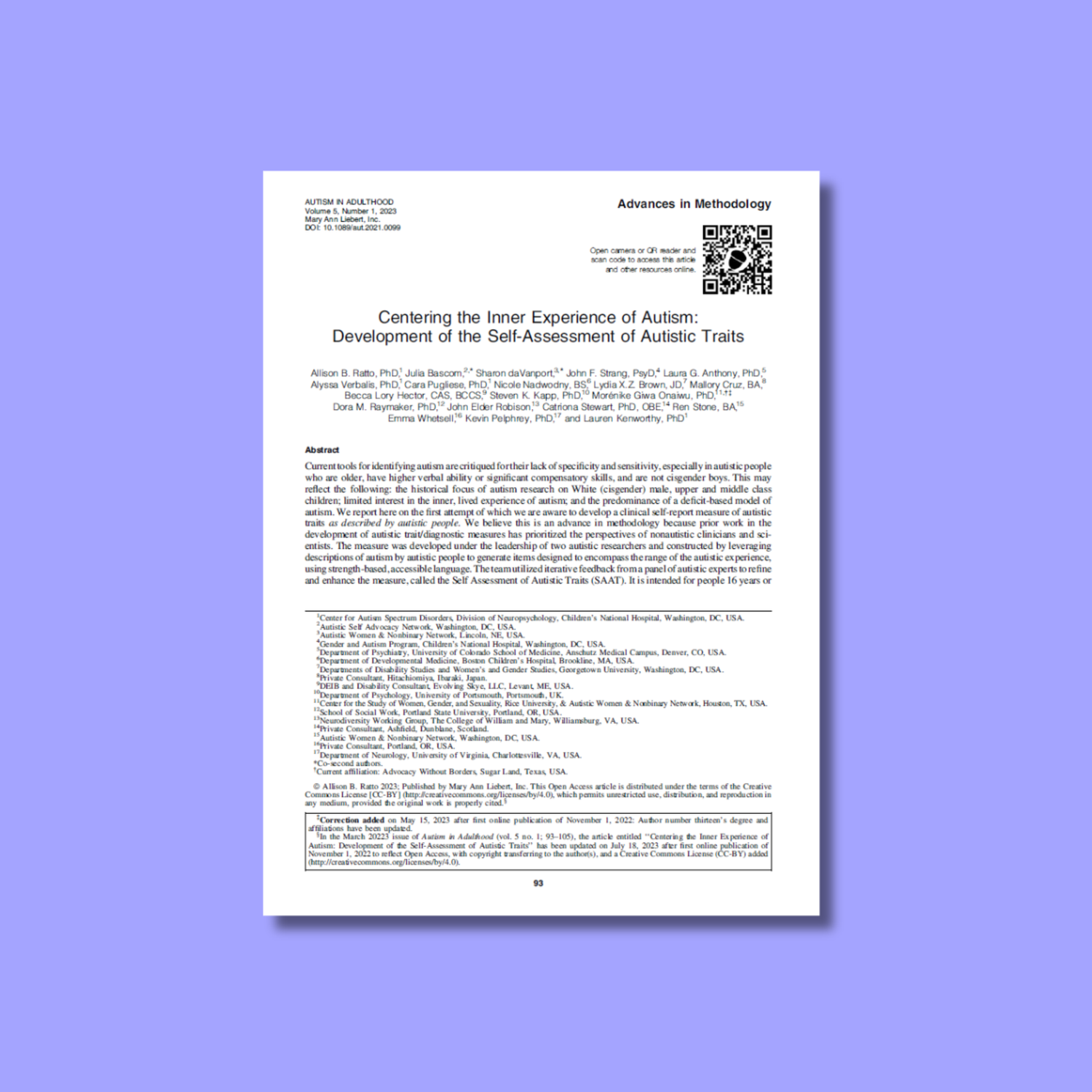
Key Components of the Evaluation
- Clinical Interview – A structured conversation covering developmental history, current challenges, and personal strengths. Standardized Questionnaires – Tools such as the Autism Diagnostic Observation Schedule (ADOS) or the Social Responsiveness Scale (SRS). Cognitive and Sensory Testing – Assessments of executive function, attention, and sensory processing. Collateral Information – Input from family members or close friends can provide context that the individual may overlook.
> “The first step is always to listen—often, the story itself points to the diagnosis.” – Dr. Emily Carter, developmental psychologist
Why Genetic Counseling Matters
You might wonder, “Why bring genetics into the picture when I already know I have ASD?” Genetic counseling helps uncover whether there’s a hereditary component, which can inform family planning, risk assessment, and targeted interventions.
Rhetorical Questions to Ponder
- Could knowing the genetic underpinnings change the way I approach my career? Will my children inherit the same traits, and how can I prepare them?
These questions underline why many adults seek genetic counseling as part of their assessment. It’s not just about a diagnosis; it’s about building a roadmap for the future.
The Assessment Process
The journey from initial appointment to a formal diagnosis can feel like navigating a maze, but it’s structured to be as clear as a well‑lit hallway.
Initial Consultation
During the first visit, the clinician gathers a developmental timeline, explores social and occupational functioning, and discusses any prior evaluations. It’s the moment where you can finally say, “I’ve been doing this all my life, but it’s time to get a name for it.”
Diagnostic Tools
- ADOS – Observational assessment of social communication. Cognitive Tests – Measuring IQ, memory, and executive function. Sensory Profile – Identifying hypersensitivity or hyposensitivity patterns.
Family History Review
A crucial part of the process involves mapping out family health and developmental history. This is where genetic counseling often steps in, offering to analyze patterns and explain potential genetic risks.
Integrating Genetic Counseling into the Assessment
When genetic counseling is woven into the assessment, it provides a holistic view that can transform both personal insight and clinical care.
Common Genetic Findings
- Chromosomal Microdeletions or Duplications – Small changes in DNA that can affect neurodevelopment. Single Gene Variants – Mutations in genes like CHD8 or SCN2A linked to ASD. Copy Number Variations (CNVs) – Alterations that can influence brain wiring.
How Counseling Helps
- Risk Assessment – Understanding the likelihood of passing on traits. Personalized Management – Tailoring interventions based on genetic insights. Family Planning Guidance – Offering options for future children, including pre‑implantation genetic testing.
> “Genetic counseling isn’t just about numbers; it’s about empowering people with knowledge.” – Dr. Raj Patel, clinical geneticist
Practical Tips for Adults Seeking Assessment
If you’re ready to book that appointment, here are some steps to make the experience smoother.
Preparing for Your Appointment
- Compile a Developmental Timeline – Note key milestones, challenges, and achievements. Gather Past Reports – School reports, previous evaluations, or medical records. List Current Concerns – Social, occupational, sensory, and mental health issues.
Questions to Ask
- What is the likelihood that a genetic component is involved? How will the results impact my treatment options? What are the next steps if a genetic mutation is found?
These questions help keep the conversation focused and productive.
Real‑World Anecdote
When I first sat down with a 34‑year‑old client, he joked, “I’ve been a social ninja for years—now I just need the badge.” He had spent his life navigating workplaces, relationships, and sensory overloads, but the lack of a formal diagnosis had left him feeling adrift. After a thorough assessment and a brief genetic counseling session, he received a diagnosis and a clear action plan. The relief was palpable—he could finally explain himself to friends and family without feeling like he was “pretending.” The humor he brought into the room—“I’ve been avoiding eye contact like a cat in a laser show”—made the process lighter, yet the outcome was life‑changing.
The Road Ahead: Turning Insight into Action
Armed with a diagnosis and genetic insights, adults can transform their lives. The key is to https://manuelfzae882.iamarrows.com/spotting-autism-signs-in-children-who-have-difficulty-with-social-interactions-in-the-playground-a-practical-guide view the assessment as a starting point, not a finish line.

- Build a Support Network – Connect with support groups, therapists, and occupational specialists. Advocate for Accommodations – Whether at work or school, use your diagnosis to request reasonable adjustments. Plan for the Future – Discuss family planning, career goals, and personal well‑being with a clinician or counselor.
Remember, an adult autism assessment for autism spectrum disorder genetic counseling isn’t just a medical procedure—it’s an investment in self‑knowledge and future possibilities. Take the first step, ask the right questions, and let the journey begin.