When a child’s first steps into a classroom feel more like a tightrope walk than a playground adventure, parents and teachers often pause to wonder what’s going on beneath the surface. Autism in girls can be a quiet whisper rather than a shout, and spotting the early signals is key to ensuring every girl gets the support she deserves. This guide dives into the subtle school readiness indicators that can help families and educators spot autism early, turning uncertainty into action.
Why Girls Often Fly Under the Radar
Have you ever noticed a girl who seems perfectly fine at home but struggles to navigate the school day? It’s a common scenario because many autism traits manifest differently in girls. Social reciprocity, the hallmark of autism, can be masked by a girl’s tendency to mimic peers or hide her discomfort. This “masking” is like a magician’s trick—impressive, but it can leave the real issue unseen.
The Masking Effect
- Girls may learn to imitate social cues to blend in. They might avoid eye contact but still maintain a polite smile. Their interests can appear interested in mainstream topics while secretly focusing on a niche.
Consequences for School Readiness
When masking goes unchecked, girls can miss out on early interventions that would otherwise ease their transition into formal education. The result? An increased risk of anxiety, academic struggles, and social isolation.
Key School Readiness Indicators
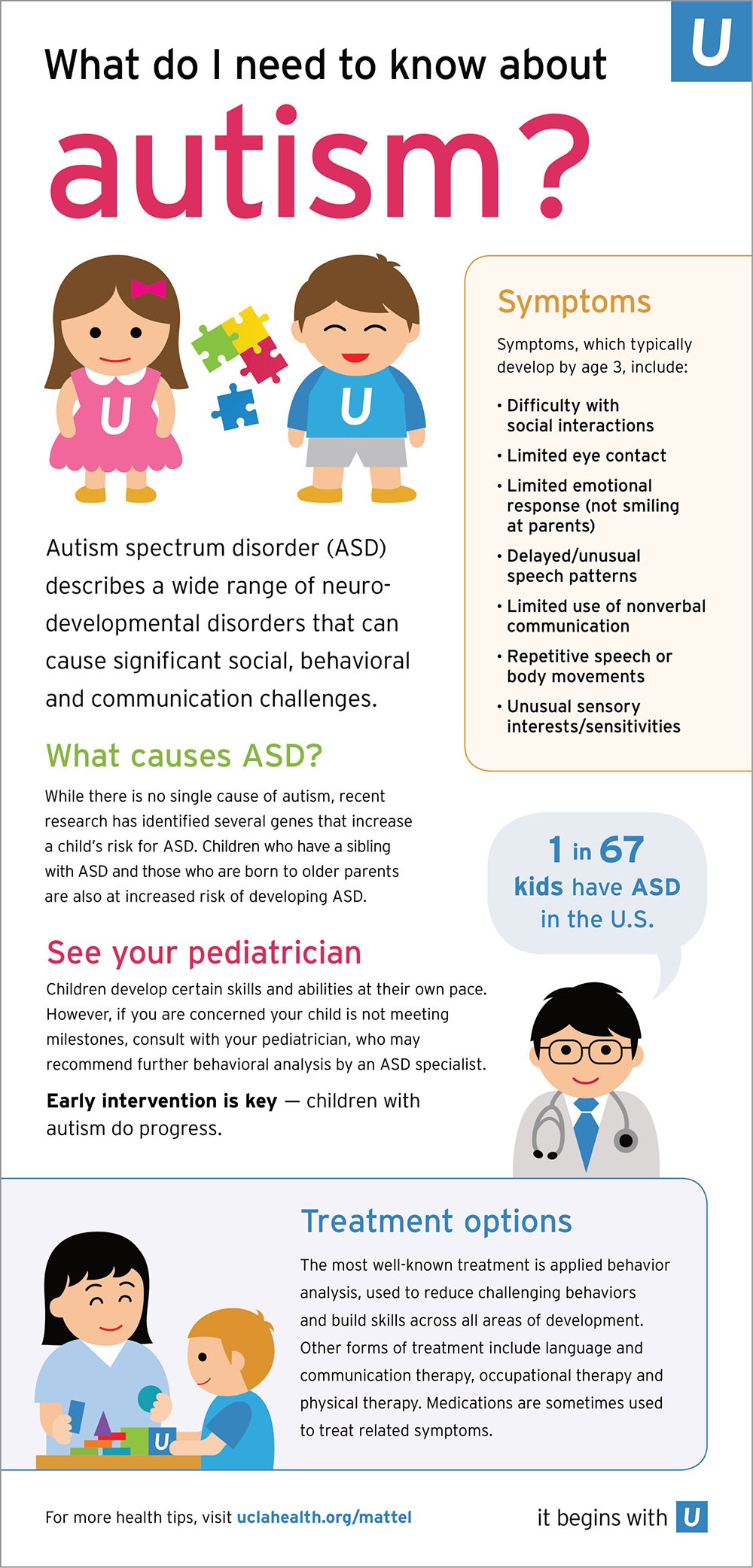
Spotting autism early hinges on recognizing specific indicators that signal a girl might need additional support. These signs often appear before a child reaches kindergarten or first grade.
Social Interaction Patterns
- Limited peer engagement: Prefers solitary play or a small, fixed circle of friends. Difficulty interpreting non‑verbal cues: Misreads facial expressions or tone. Social withdrawal: Avoids group activities or classroom discussions.
Communication Nuances
- Literal interpretation of language: Struggles with idioms or sarcasm. Monotone speech: Voice lacks the usual pitch variation. Delayed speech development: Speech delays that persist beyond typical milestones.
Sensory Sensitivities
- Over‑reactivity to noise or light: Covers ears in a crowded classroom. Under‑reactivity to pain: Doesn’t show obvious discomfort when bumped.
Executive Function Challenges
- Difficulty organizing tasks: Struggles with packing a backpack or following a schedule. Inflexibility: Becomes distressed when routines change.
These indicators are not exhaustive, but they form a useful checklist for parents and teachers. When a pattern emerges, it’s worth exploring further.
Social and Communication Nuances
Communication is often the first place autism shows its subtle fingerprints. For girls, the differences can be particularly nuanced.
Pragmatic Language Gaps
Pragmatic language refers to the social rules of conversation—turn‑taking, topic maintenance, and reading context. Girls with autism may:
- Interrupt unintentionally. Talk about their interests in a way that feels “too much” for the conversation. Find it hard to switch topics when the conversation changes.
The “Double Empathy Problem”
A recent study coined the term “double empathy problem” to explain how autistic and non‑autistic people may misunderstand each other. In practice, a girl may feel unheard because her classmates can’t decode her communication style, and her classmates may feel baffled because they don’t recognize her cues.
Light Humor as a Bridge
Sometimes, a simple joke or playful exaggeration can break the ice. For instance, a teacher might say, “I hear your voice is a bit like a calm lake—peaceful but deep!” This approach can help the girl feel seen without singling her out.
Cognitive and Learning Patterns
Autism often co‑exists with unique cognitive strengths and challenges. Recognizing these patterns can guide tailored educational strategies.
Detail‑Oriented Thinking
Many autistic girls excel at noticing patterns and details that others miss. In math, they might spot hidden equations; in art, they might see color harmonies. This talent can be harnessed through projects that allow deep focus.
Working Memory Struggles
A girl may have a brilliant mind but find it hard to hold multiple steps in her head. For example, remembering the sequence of instructions in a science experiment can be daunting.
Visual Strengths
Visual‑spatial skills are often strong. Using graphic organizers, mind maps, and visual schedules can make abstract concepts tangible.
Practical Strategies for Parents and Educators
Once indicators surface, the next step is action. Below are evidence‑based strategies that help bridge the gap between Delayed speech potential autism symptoms and successful school readiness.
Build a Structured Environment
- Consistent routines: Predictable schedules reduce anxiety. Visual schedules: A picture chart of the day can serve as a roadmap.
Foster Social Skills Through Play
- Peer‑mediated activities: Pairing a supportive peer with the girl encourages natural interaction. Structured play groups: Clear rules and roles help maintain focus.
Encourage Communication in Comfortable Settings
- One‑to‑one conversations: A calm, quiet setting can help her feel safe to express herself. Use of technology: Speech‑to‑text apps or tablets can provide alternative communication channels.
Leverage Strengths
- Project‑based learning: Allow her to choose topics that spark her interest. Visual arts: Offer outlets for creative expression that align with visual strengths.
Collaborate with Specialists
- Speech therapists: Target pragmatic language skills. Occupational therapists: Address sensory sensitivities. School psychologists: Provide formal assessments and recommendations.
When to Seek a Professional Evaluation
If you notice a cluster of indicators—especially when they persist across settings—it’s wise to consult a professional. A formal evaluation can:
- Confirm an autism diagnosis. Identify co‑occurring conditions (e.g., ADHD, anxiety). Provide a roadmap for intervention.
Remember, early intervention is like planting a seed before winter; it gives the child time to grow and thrive.
Supporting a Girl’s Journey to the Classroom
Imagine a classroom as a bustling city. Each child is a unique vehicle—some travel straight, others zigzag. For autistic girls, the journey can feel like navigating a labyrinth. By recognizing early indicators, parents and teachers can light up the path with clear signs, supportive tools, and encouraging words.
A real‑life anecdote illustrates this: A teacher once noticed a girl who would quietly draw the same butterfly repeatedly. When asked about her favorite hobby, the girl answered, “I like the butterfly.” The teacher connected this interest to a science project on insects, giving the girl a chance to shine. That small bridge turned a shy student into a confident contributor.
“We’re all different, but we’re all in the same boat.” – Dr. Emily R. Johnson, child psychologist
This quote reminds us that diversity in learning styles is not a hurdle but a feature of our shared educational journey.
Turning Insight Into Action
You’ve now walked through the maze of autism in girls and school readiness indicators. The next step is to translate awareness into proactive support. Whether you’re a parent, teacher, or community member, your role matters.
- Stay observant: Keep a simple log of behaviors that raise concern. Seek collaboration: Engage with school staff and specialists early. Celebrate strengths: Use her talents as a launchpad for confidence.
By weaving these practices into daily life, you help create a classroom environment where every girl—autistic or not—can thrive. The journey may start with a single observation, but the destination is a future where every child’s unique voice is heard Behavioral observation and valued.